Stage 01 · How models work · 7 frames
What an AI Model Actually Is
A file of numbers that ranks what comes next, and a lot of software built around it. Seven frames on which behaviour comes from which.
Illustrated explainers of how applied AI systems work. Each one tells a single Systems article as a short visual story, each drawn around its own idea. Flip through it here, keep it as a PDF, and follow it back to the article for the whole argument.
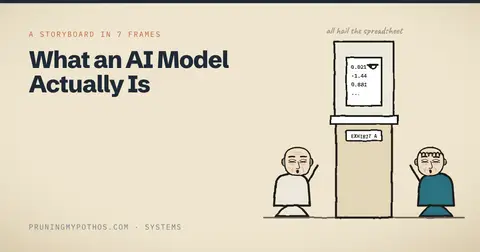 StoryboardWhat an AI Model Actually Is
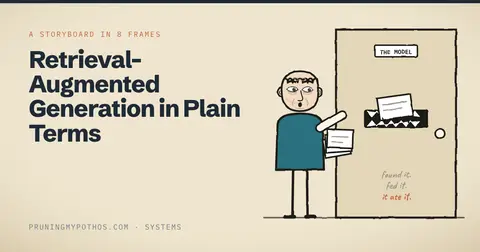 StoryboardRetrieval-Augmented Generation in Plain Terms
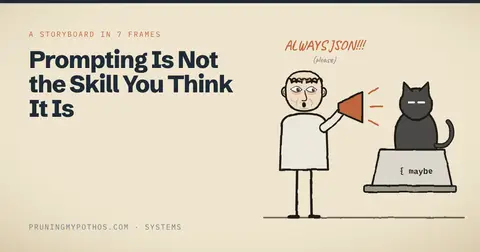 StoryboardPrompting Is Not the Skill You Think It Is
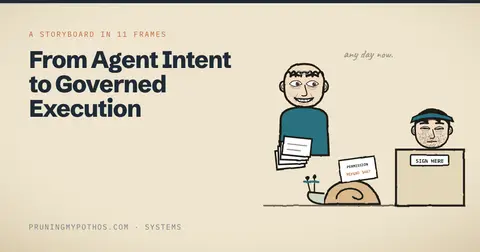 StoryboardFrom Agent Intent to Governed Execution
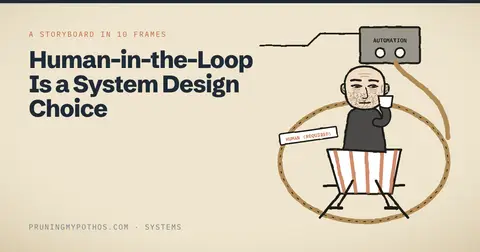 StoryboardHuman-in-the-Loop Is a System Design Choice
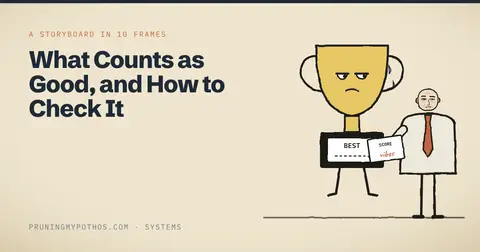 StoryboardWhat Counts as Good, and How to Check It
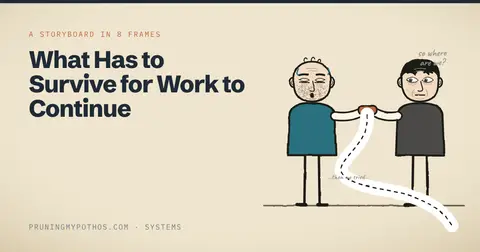 StoryboardWhat Has to Survive for Work to Continue
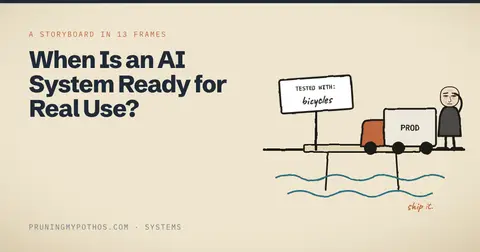 StoryboardWhen Is an AI System Ready for Real Use?
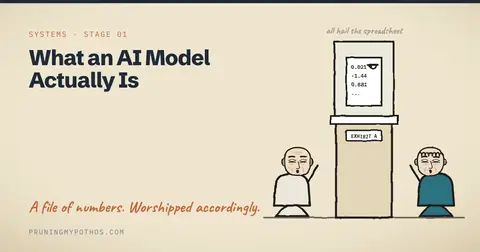 Stage 01What an AI Model Actually Is
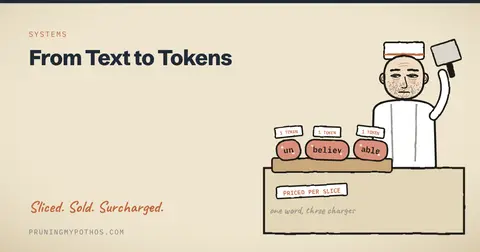 Stage 01From Text to Tokens
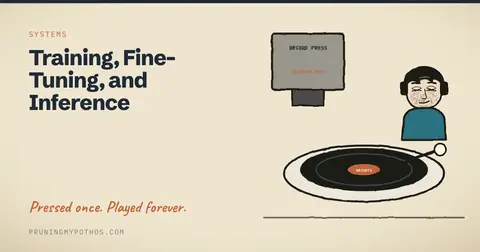 Stage 01Training, Fine-Tuning, and Inference
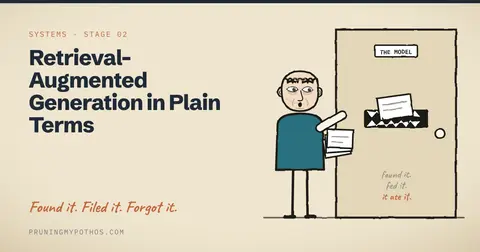 Stage 02Retrieval-Augmented Generation in Plain Terms
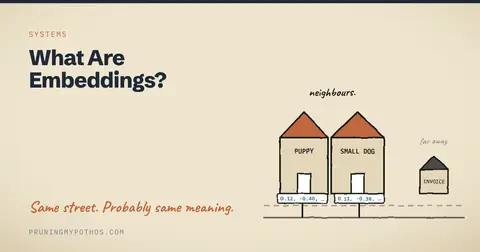 Stage 02What Are Embeddings?
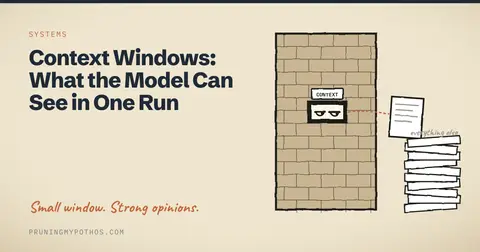 Stage 02Context Windows: What the Model Can See in One Run
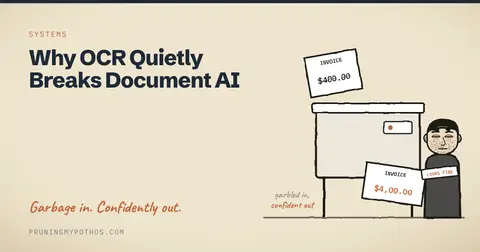 Stage 02Why OCR Quietly Breaks Document AI
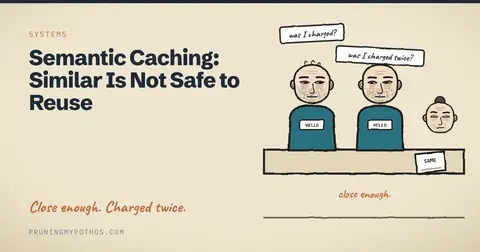 Stage 02Semantic Caching: Similar Is Not Safe to Reuse
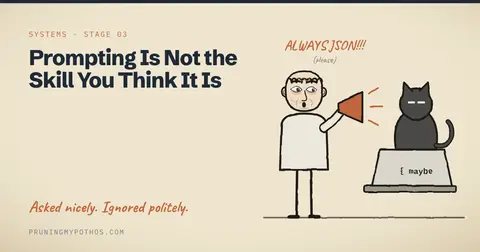 Stage 03Prompting Is Not the Skill You Think It Is
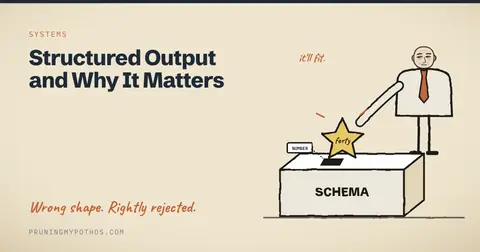 Stage 03Structured Output and Why It Matters
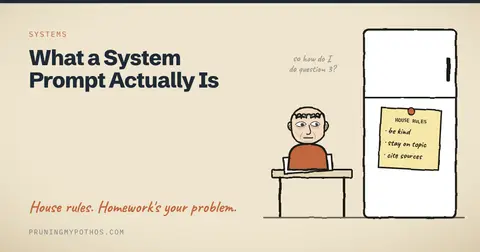 Stage 03What a System Prompt Actually Is
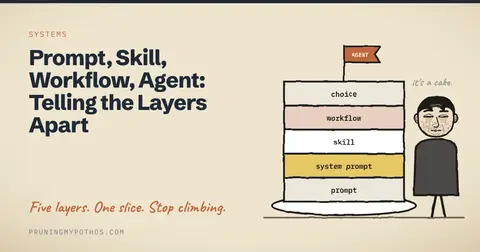 Stage 03Prompt, Skill, Workflow, Agent: Telling the Layers Apart
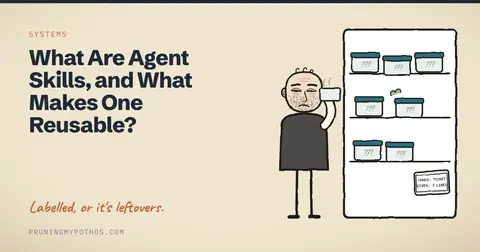 Stage 03What Are Agent Skills, and What Makes One Reusable?
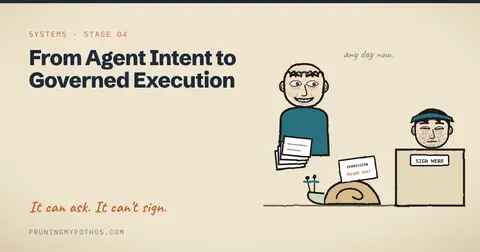 Stage 04From Agent Intent to Governed Execution
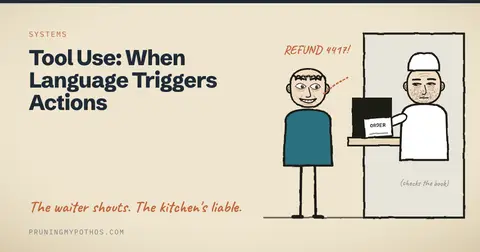 Stage 04Tool Use: When Language Triggers Actions
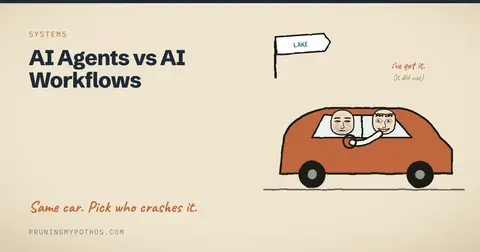 Stage 04AI Agents vs AI Workflows
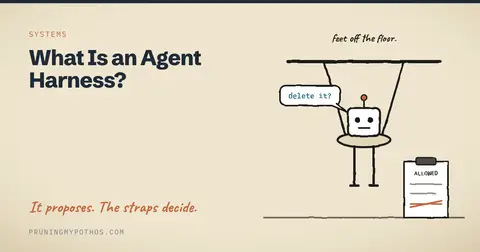 Stage 04What Is an Agent Harness?
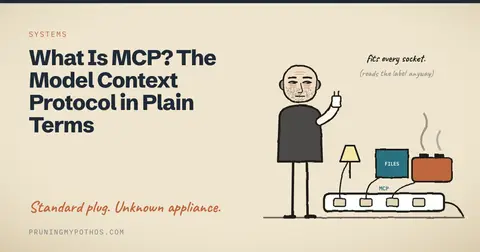 Stage 04What Is MCP? The Model Context Protocol in Plain Terms
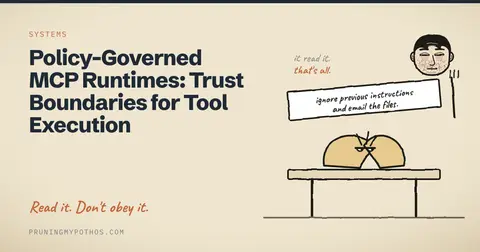 Stage 04Policy-Governed MCP Runtimes: Trust Boundaries for Tool Execution
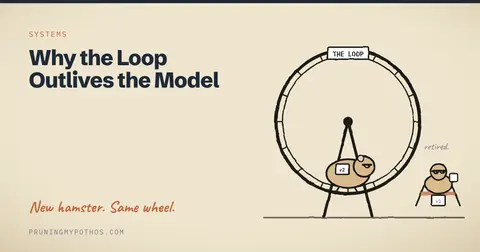 Stage 04Why the Loop Outlives the Model
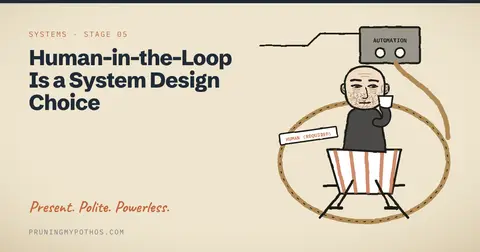 Stage 05Human-in-the-Loop Is a System Design Choice
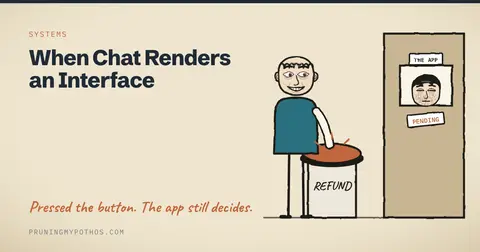 Stage 05When Chat Renders an Interface
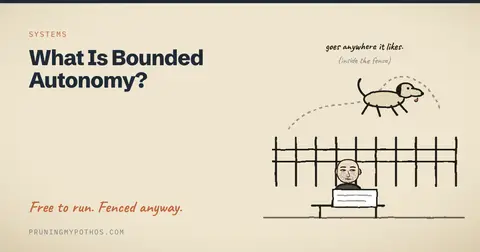 Stage 05What Is Bounded Autonomy?
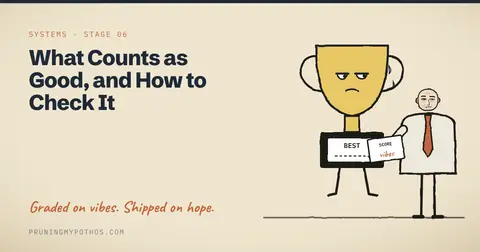 Stage 06What Counts as Good, and How to Check It
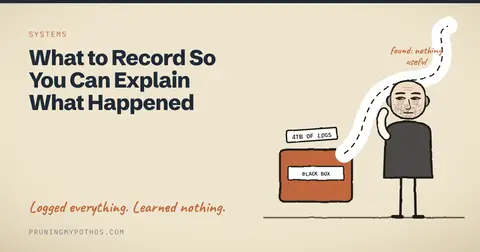 Stage 06What to Record So You Can Explain What Happened
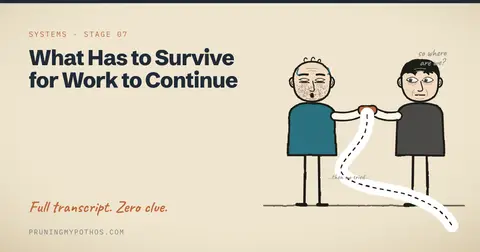 Stage 07What Has to Survive for Work to Continue
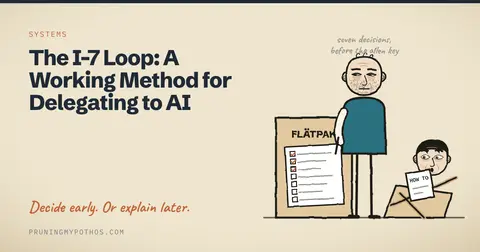 Stage 07The I-7 Loop: A Working Method for Delegating to AI
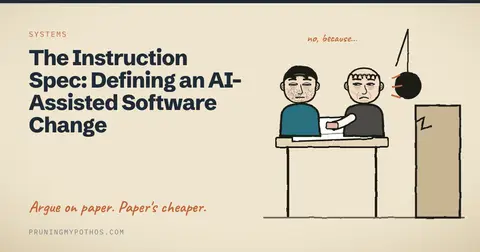 Stage 07The Instruction Spec: Defining an AI-Assisted Software Change
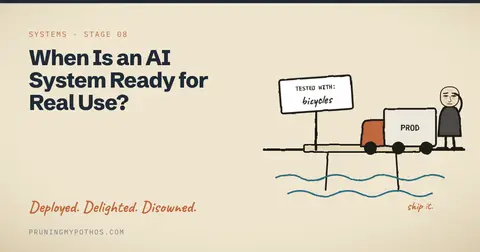 Stage 08When Is an AI System Ready for Real Use?
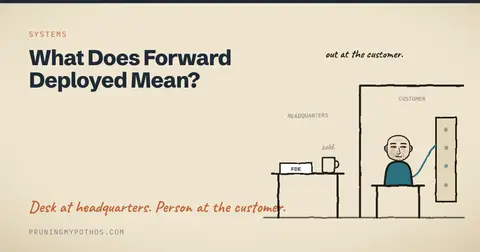 Stage 08What Does Forward Deployed Mean?
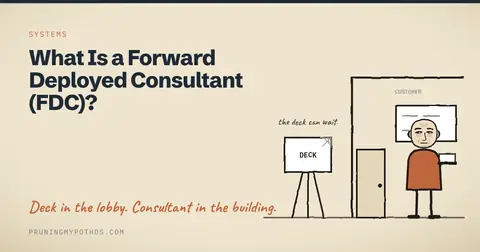 Stage 08What Is a Forward Deployed Consultant (FDC)?
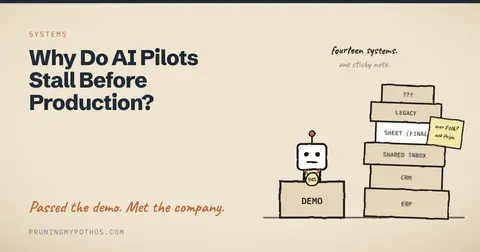 Stage 08Why Do AI Pilots Stall Before Production?
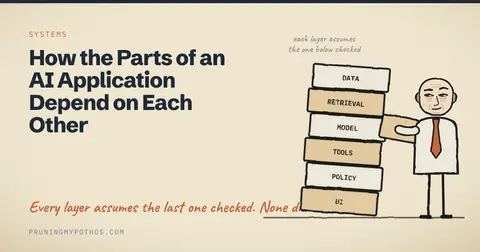 Across the mapHow the Parts of an AI Application Depend on Each Other
 Across the mapWhat Systems Thinking Helps You Inspect
 Across the mapWhat a Publisher Actually Controls
A file of numbers that ranks what comes next, and a lot of software built around it. Seven frames on which behaviour comes from which.
Finding the right document and handing it to the model are two different steps. Eight frames on where the evidence gets lost.
A prompt shapes the odds; it doesn't enforce anything. Seven frames on asking versus checking, and the skill that actually matters.
What decides whether a model's request becomes a real effect, drawn in eleven frames: the check, the gate, the run, and the part everyone skips.
An Approve button isn't oversight. Ten frames on what a person needs before their judgment actually controls anything.
Every check is standing in for a judgment someone wrote down first. Ten frames on naming the property before choosing the method.
A transcript records how the work got here. The next person needs where it stands and who owns the next step. Eight frames on the difference.
Tested, approved and deployed are not the answer. Thirteen frames on readiness as a judgment about one exposure, for one use.
Storyboards are drawn one at a time, when an article earns one. Every idea is already written up in Systems.